Thread Whirling
Inserts
The right profile.
The right fit for your whirling setup.
Custom carbide inserts and cutter-body solutions for worm shafts, bone screws, lead screws and special external thread profiles.
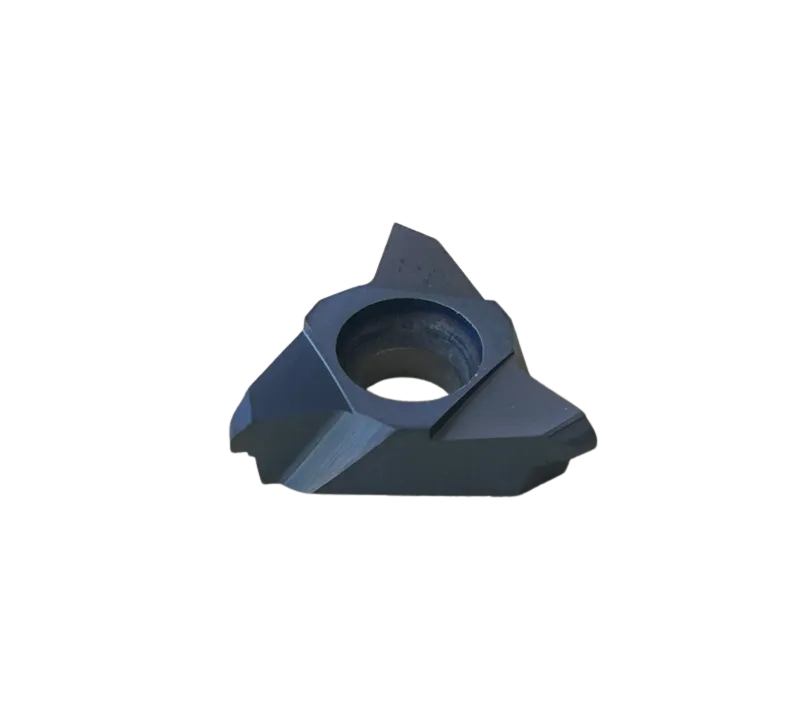
Inserts and cutter bodies.
Reviewed together.
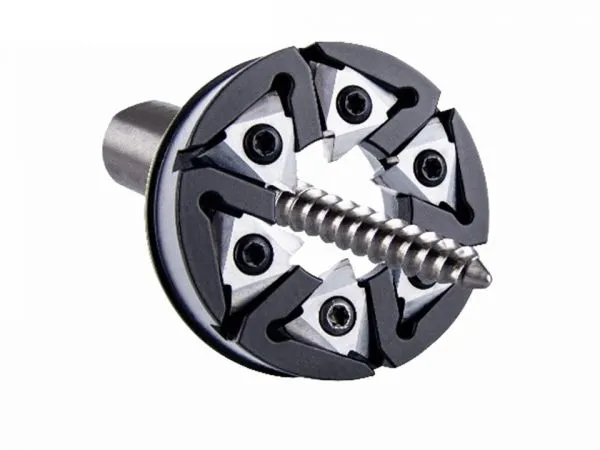
Start with the finished thread and the tooling you use. Insert geometry and cutter-body compatibility are evaluated as one application.
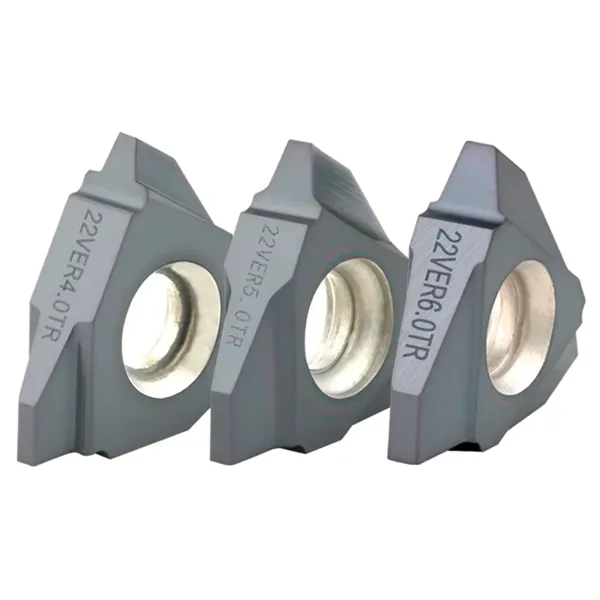
Custom-Profile Whirling Insert
Profile geometry, locating surfaces, carbide grade, edge preparation and coating are reviewed against the finished thread and cutting conditions.
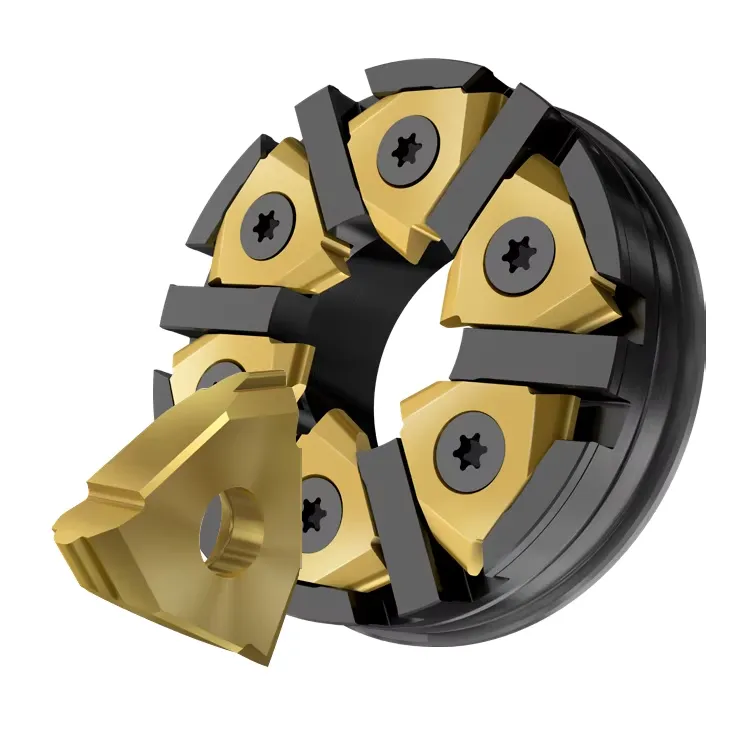
Matching Cutter-Body Solution
Supply or development can be discussed using the cutting diameter, insert pockets and connection drawing of the whirling unit.
Choose by the part
you manufacture.
These are application guides. Each page focuses on the relevant thread geometry, tooling requirements and available options.
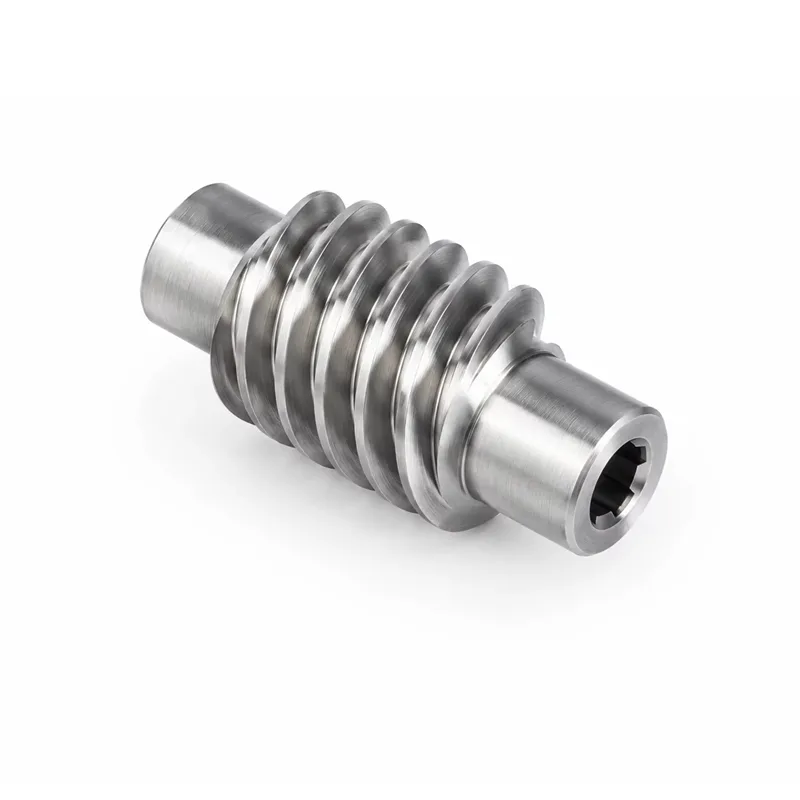
Worm Shafts
Custom tooling for worm threads, steering worms and single-start or multi-start transmission profiles.
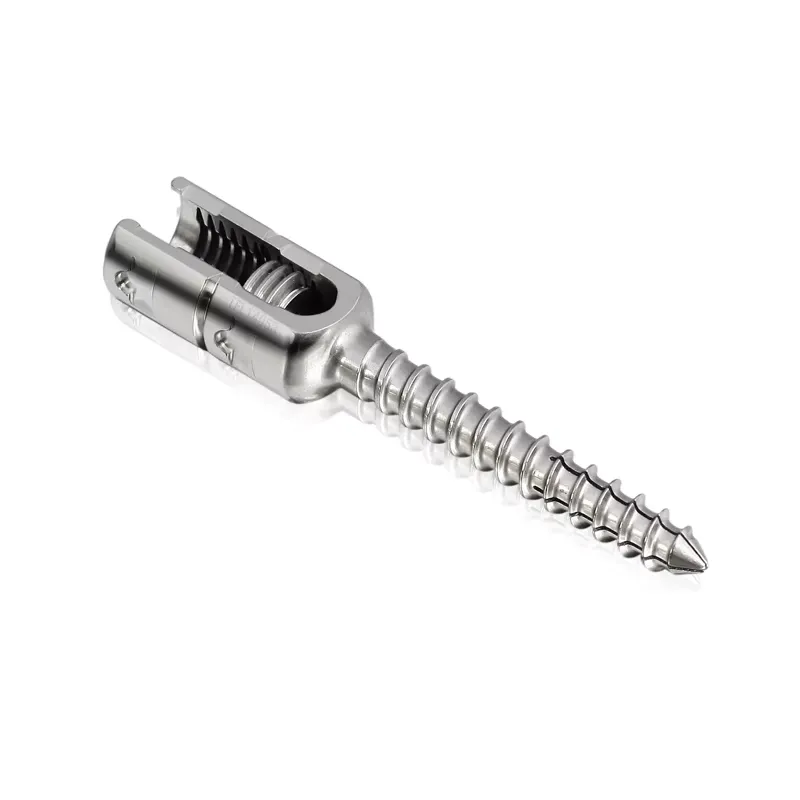
Bone Screws
HA, HB and custom bone screw profiles for titanium alloy and stainless steel machining.
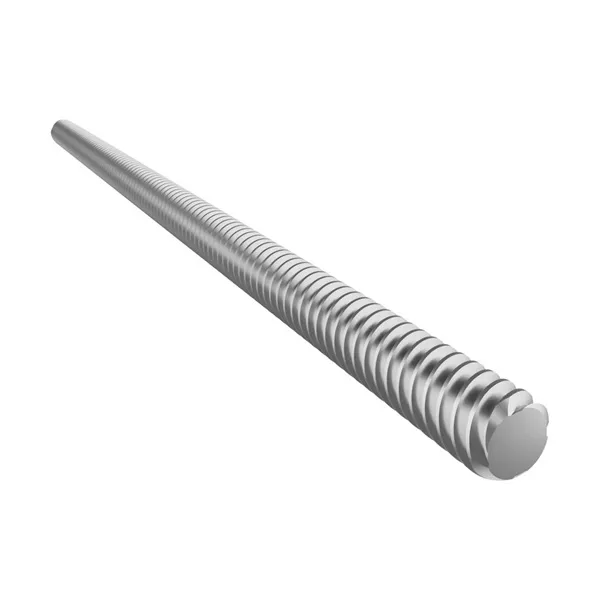
Lead Screws
Drawing-based tooling for lead screws, feed screws and non-standard long thread profiles.
Confirm the complete
tooling interface.
A matching pitch or a similar-looking insert does not confirm compatibility. Review the finished thread, insert seat and machine setup before ordering.
- 01
Finished thread geometry
Pitch, lead, starts, thread hand, diameters, flank angles and radii.
- 02
Insert pocket and clamping
Insert dimensions, locating surfaces, pocket drawing and current sample or code.
- 03
Cutter body and whirling unit
Cutting diameter, insert count, connection dimensions and attachment model.
- 04
Machine and quality requirements
Machine model, workpiece support, coolant, tolerance and surface requirements.
Designed from your
application data.
Provide the drawing and tooling information you have. Missing details can be clarified during technical review.
Thread Profile & Tool Fit
Bring the finished thread drawing together with the existing tooling information.
- Thread drawingProfile, dimensions, tolerances, pitch or lead, starts and hand.
- Existing toolingInsert code, usable sample, pocket drawing or clear photos.
- Machine setupMachine and whirling-head models, cutter body and interface.
Material, Edge & Coating
Carbide substrate, edge preparation and coating are reviewed together for the cutting conditions.
- Workpiece materialExact alloy or steel grade, hardness and material condition.
- Current machining issueWear, chipping, burrs, profile error or inconsistent surface finish.
- PVD options for reviewFinal selection depends on the application.
How thread whirling works.
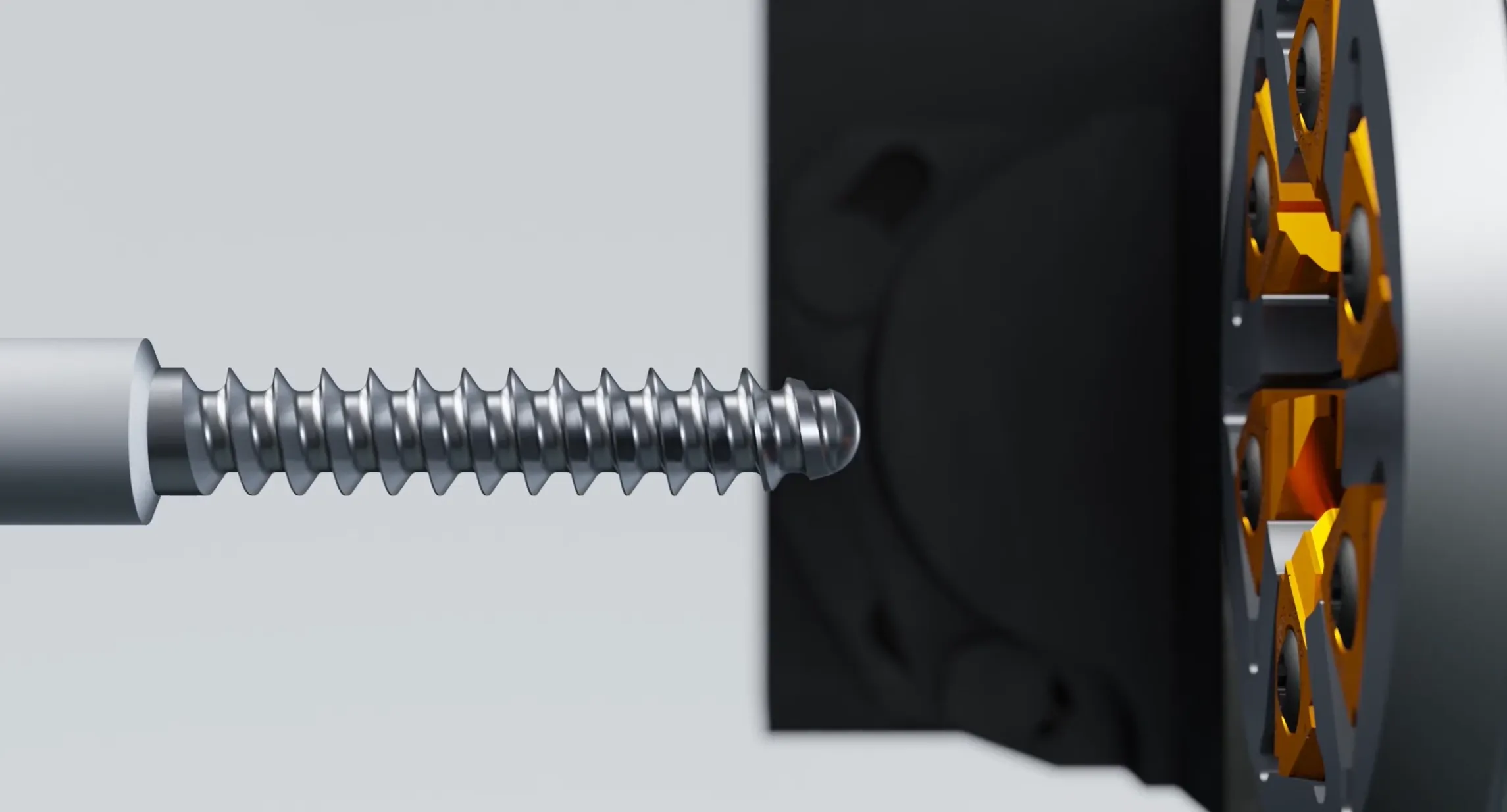
A rotating cutter body works around a more slowly rotating workpiece. The cutting setup and synchronized feed are matched to the required thread.
- 01
Set the tooling relationship
Confirm the workpiece geometry, whirling-head setting and tool clearance.
- 02
Rotate the cutter body
Inserts engage the workpiece as the cutter body rotates.
- 03
Coordinate workpiece rotation and feed
Machine synchronization follows the thread lead and number of starts.
- 04
Inspect the finished thread
Check profile, dimensions, surface quality and burrs against the drawing.
Before you order.
For a custom profile, replacement insert or new tooling setup, start with the part and machine information.
Can you design from a finished thread drawing?
Yes. The drawing is reviewed together with the insert pocket, cutter-body setup, machine information and workpiece material. Pitch alone is not sufficient to finalize the tool.
Can you evaluate a replacement whirling insert?
A replacement can be assessed from the original drawing, usable sample, pocket dimensions and required thread geometry. Compatibility must be confirmed before production.
Can matching cutter bodies be supplied?
Cutter-body supply or development can be discussed using the cutting diameter, insert count, pocket details and interface drawing of the whirling unit.
When should I consider thread turning instead?
Consider part geometry, support, production volume and the available machine setup. For standard lathe threading or a job without suitable whirling equipment, review the thread turning insert range.
Discuss your
whirling application.
Tell us what you manufacture, the tooling you use and the problem you want to solve.
- Part or enlarged thread-profile drawing
- Pitch or lead, starts, hand and tolerances
- Material, hardness and quality requirements
- Machine, whirling unit and cutter-body information
- Existing insert and current machining issue
Request a Tooling Review
Send your available application details. Additional information can be confirmed during review.