Worm Shaft
Whirling Inserts
Custom carbide tooling
built around your worm profile.
Drawing-based insert solutions for transmission worms, steering worms and single-start or multi-start worm shafts.
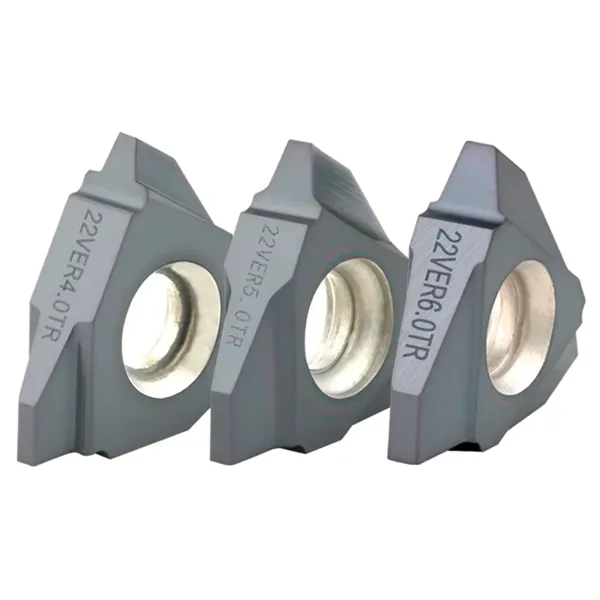
Tooling for your
worm shaft application.
Identify the part and the required finished profile. The insert is reviewed against the drawing and machine setup for that job.
Precision Worm Shafts
Custom-profile inserts for worm shafts used in reducers, actuators and precision transmission components.
Steering Worms
Application review for steering worm machining, including the finished geometry and current tooling arrangement.
Multi-Start Worms
Insert geometry review for single-start or multi-start threads, with left-hand or right-hand direction.
Define the worm.
Then define the insert.
Use the finished part or thread-profile drawing as the starting point. Lead alone does not define the complete cutting profile.
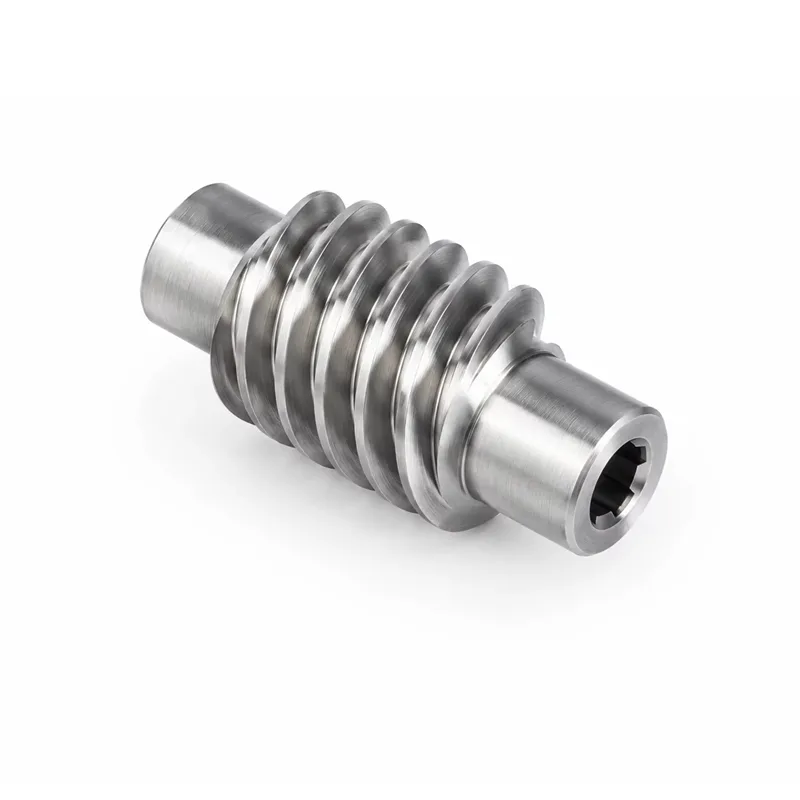
- 01Profile type and thread direction
Specified worm profile, flank geometry, root and crest forms, radii and LH / RH hand.
- 02Lead, pitch and start count
Provide the drawing values and number of starts. Include the specified helix-angle reference where available.
- 03Shaft and thread dimensions
Major and minor diameters, thread depth, threaded length and relevant tolerances.
- 04Material and quality requirements
Exact material grade, hardness or heat treatment, surface finish and inspection requirements.
Match the profile
to the complete setup.
ONMY reviews the insert, cutter-body seat and whirling setup together. The available machine and tooling interface guide the final insert design.
For steel, alloy steel or stainless steel workpieces, provide the exact grade and condition so the substrate, coating and edge preparation can be reviewed.
Insert Geometry & Location
Current insert dimensions, locating faces, clamping method, pocket drawing and a usable sample where available.
Cutter Body & Whirling Unit
Cutter-body drawing, cutting diameter, insert arrangement, whirling-head model and available setup information.
Machine & Cutting Conditions
Machine model, workpiece support, coolant condition and the current machining process.
Grade, Edge & Coating
Workpiece material, wear pattern, cutting-edge condition and the tool-life or surface-quality target.
Show us the issue
you need to solve.
Describe the current result and include inspection records, worn-edge photos or machined-part photos where available.
These are review topics. The cause and tooling change depend on the actual part, tool and cutting conditions.
Profile error or inconsistent thread size
Provide the drawing, measured deviation, inspection method and tool-use history. Profile compensation, setup, insert location, wear and thermal changes may need review.
Short tool life or edge chipping
Include the material and hardness, insert code, cutting conditions and wear photos. Carbide grade, edge preparation, support and chip load are reviewed together.
Poor surface finish or vibration
Show the affected surface and describe when the issue occurs. Review topics include workpiece support, tool rigidity, cutting data and chip evacuation.
Burrs or chip-control problems
Provide photos showing the burr or chip location, material information and the required edge or surface condition. The profile and cutting-edge arrangement can then be reviewed.
Send the information
you already have.
Start with the drawing and the machining requirement. Additional details can be clarified during the tooling review.
Drawing & Material
Worm drawing, profile data, material grade, hardness and required quantity.
Machine & Current Tool
Whirling unit, cutter body, insert sample or code, and interface or pocket information.
Quality & Tool Life
Profile tolerance, surface finish, wear issue and the improvement you need.
Before you order.
Worm shaft tooling is assessed from the finished profile and available machine setup.
Can ONMY review a worm insert from a drawing?
Yes. Send the finished worm or thread-profile drawing, material and machine information. The insert geometry and tooling interface are reviewed together.
Do you support multi-start and left-hand worms?
These applications can be reviewed from the lead, pitch where specified, number of starts, thread hand and whirling-head setup.
Can an existing special insert be replaced?
A replacement can be evaluated using the finished worm drawing, usable insert sample and pocket details. The profile and locating geometry must be confirmed before production.
Discuss your
worm shaft tooling.
Tell us the worm profile you need to machine and the tooling or quality issue you want to resolve.
- Drawing, lead, starts and thread hand
- Material, hardness and required quantity
- Machine, whirling head and cutter body
- Current insert code, sample or pocket information
- Profile, surface finish or tool-life target
Request a Quote or Tool Review
Send your available application details. Missing information can be confirmed during review.