Custom Carbide End Mills & Special Milling Cutters
Need a cutter beyond a standard size or cutting profile? Explore custom square, ball nose, corner radius, long-reach and special-profile tooling requirements. Share a drawing or machining details for engineering review and quotation.
- Non-standard dimensions, radii and reach requirements
- Special T-slot, dovetail and undercut profile review
- Drawing, sample tool or application-based inquiries
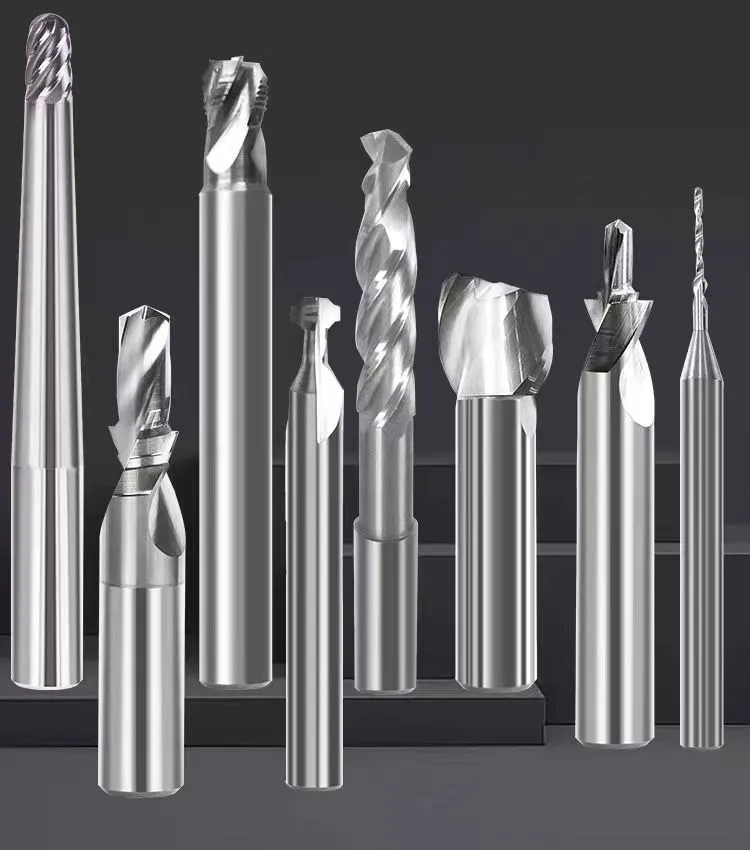
Three Ways to Approach Custom Tooling
Begin with the change you need: a modified standard tool, a special cutting profile or a fully drawing-defined cutter. Feasibility depends on the final specification.
Modified Standard Tools
Request a non-standard diameter, flute length, overall length, shank size or corner radius based on a familiar end mill geometry.
Special Profile Cutters
Review T-slot, dovetail, taper, undercut, chamfer and other cutter profiles for features a general-purpose end mill cannot produce.
Drawing-Based Tooling
Send a tool drawing, part drawing, current cutter sample or machining problem so the geometry and required quantity can be evaluated.
Choose Your Custom End Mill Shape
Start from a familiar cutting geometry, then specify the non-standard dimensions or access conditions. Each option below links to its corresponding standard product category.
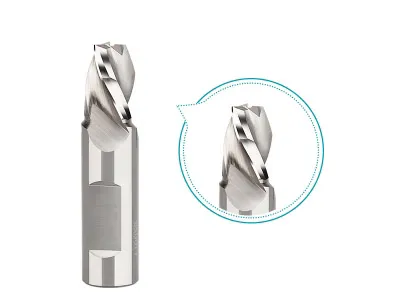
Custom Square End Mills
Non-standard cutting diameter, flute length, shank size and overall length for flat-bottom features.
View Square Tools →
Custom Ball Nose End Mills
Review ball radius, tool diameter, effective reach and cutting length for curved surfaces and mold finishing.
View Ball Nose Tools →
Custom Corner Radius End Mills
Discuss the requested corner radius R, diameter, flute count and reach for machining with a rounded tool corner.
View Corner Radius Tools →
Custom Long Reach & Reduced Neck
Define holder clearance, protrusion, neck diameter and neck length where standard long-shank tools cannot reach.
View Long Reach Tools →Special Milling Cutters for Non-Standard Features
Special end mills and profile cutters can address part features that cannot be machined with a conventional square or ball nose tool. Share the profile drawing for a suitable tooling review.

Tapered Milling Cutters
For draft-angle walls, tapered features or angled mold details. Provide the tool angle, depth, diameter and material.
Discuss this profile →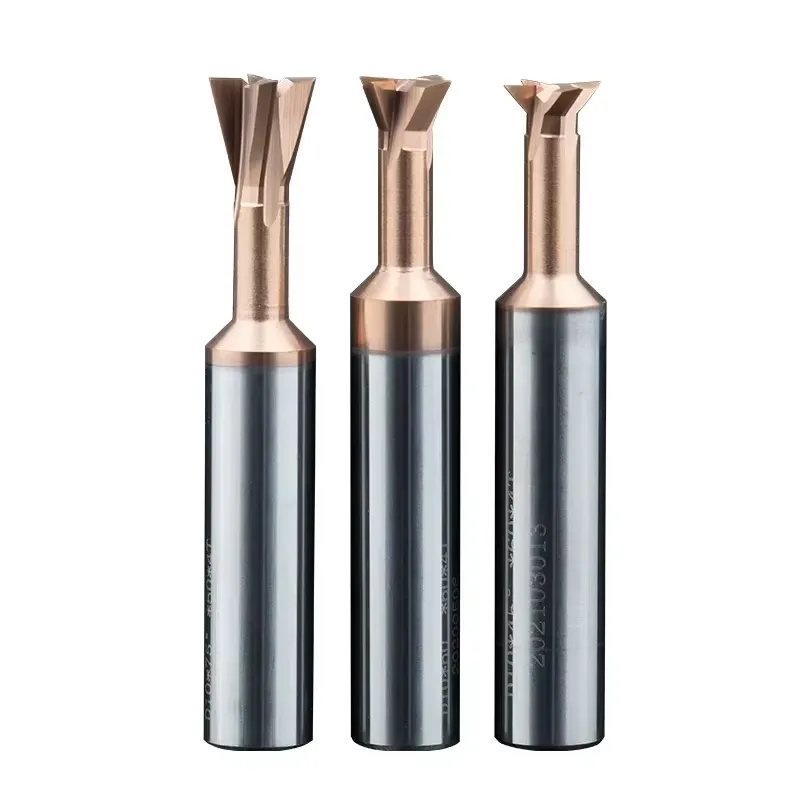
Dovetail Cutters
For angled grooves and dovetail forms. Provide included angle, top/bottom width, feature depth and access.
Discuss this profile →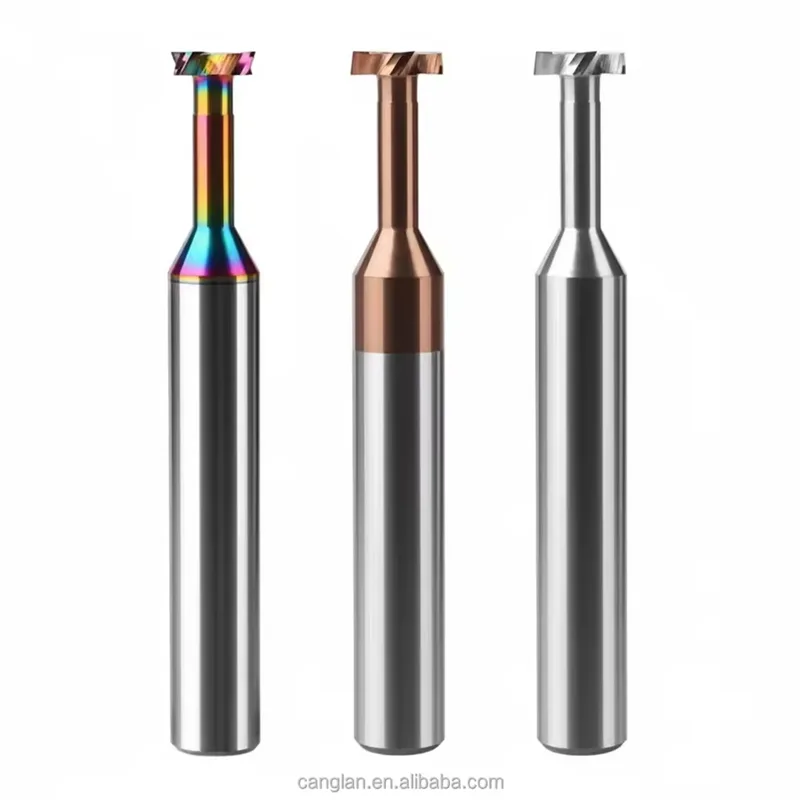
T-Slot Cutters
For T-slots and recessed side features. Provide head width, slot dimensions, neck clearance and depth.
Discuss this profile →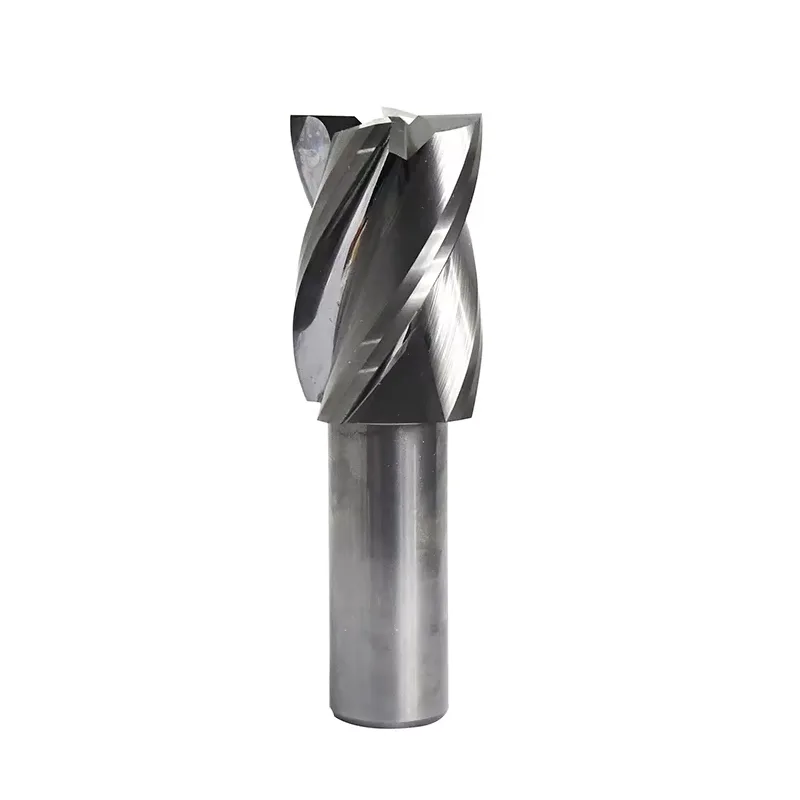
Undercutting Cutters
For back-side relief, undercuts and difficult-access features. Supply profile geometry and interference limits.
Discuss this profile →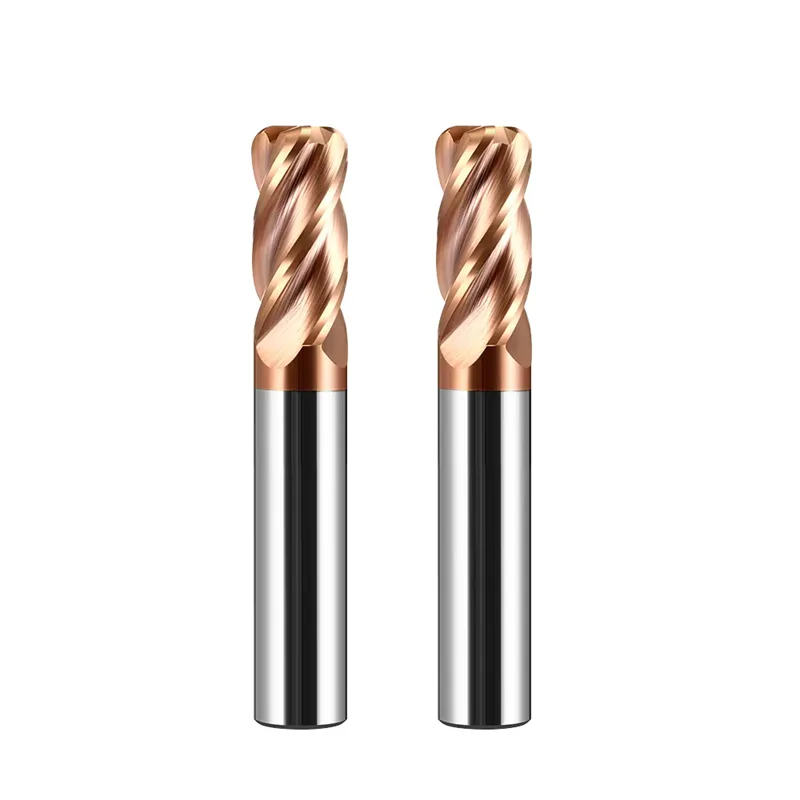
Corner Rounding Cutters
For rounding a workpiece edge; different from a corner radius (bull nose) end mill, whose own cutting corner has radius R.
Discuss this profile →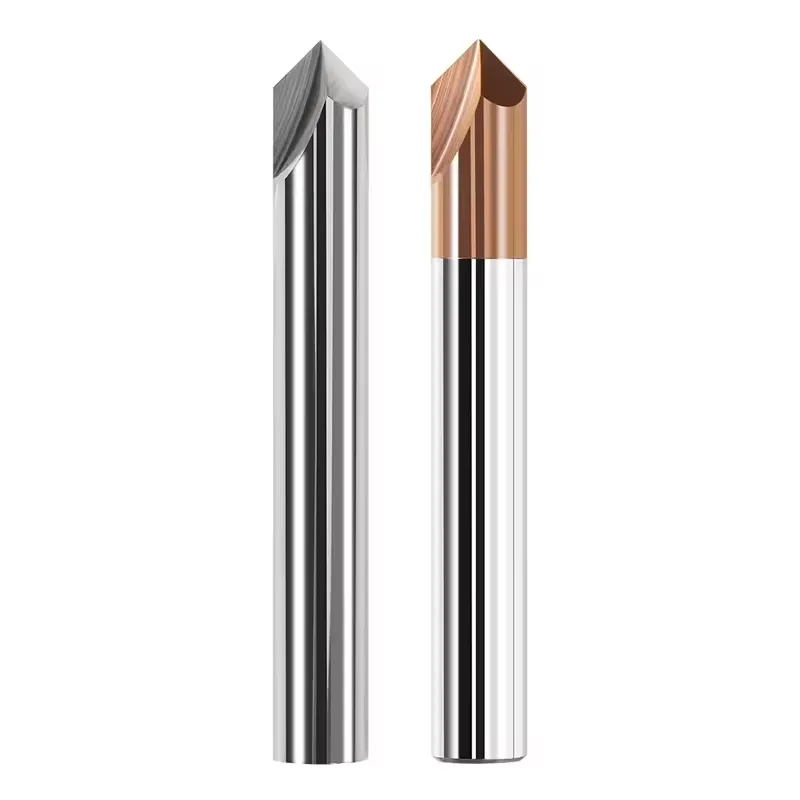
Chamfer & Form Cutters
For custom chamfer angles, deburring or a component-specific form. Include the angle, profile tolerances and drawing.
Discuss this profile →What Can Be Customized?
Precise technical information reduces the back-and-forth during RFQ. You can start with the dimensions you know and supply a drawing or sample for the remaining details.
| Symbol | Specification | What to send |
|---|---|---|
| D | Cutting diameter | Required cutter diameter or feature width. |
| d | Shank diameter | Toolholder interface or preferred shank size. |
| H / LOC | Cutting length | Required active cutting edge length and depth of cut. |
| L / OAL | Overall length | Total tool length; distinguish this from usable reach. |
| R | Corner or ball radius | Specify the correct cutting corner or ball profile. |
| Z | Number of flutes | Requested flute count, if known. |
| Neck | Neck diameter / neck length | Relief geometry for long-reach or interference clearance. |
| Reach | Usable tool reach | Holder, clamping and cavity clearance constraints. |
| Angle | Profile or taper angle | Angle and form for tapered, chamfer or dovetail tools. |
| Material | Workpiece material / hardness | Exact grade, condition, hardness and machining operation. |
| Coating | Coating requirement | Current coating, if specified; otherwise describe application needs. |
| Tolerance | Critical dimensional tolerances | Print dimensions or surfaces that need tolerance confirmation. |
| Quantity | Prototype / batch quantity | Number of tools and expected repeat volume. |
Custom Milling Cutters by Machining Requirement
Begin with the feature and the current machining problem, then identify the right cutter form and the specifications required for a practical review.
Special Slots & Profiles
T-slots, dovetail grooves, non-standard angles or undercuts that require a specific tool form.
Useful RFQ details: Slot profile, depth, angle, access and workpiece grade.
Deep Cavity & Holder Clearance
Deep pockets where the holder or tool shank interferes with the workpiece before the cutter reaches the feature.
Useful RFQ details: Cavity drawing, reach, holder size, neck and cutting length.
3D Mold & Surface Finishing
Curved toolpaths or a special radius and reach requirement for mold features and complex surfaces.
Useful RFQ details: Surface geometry, material, radius, finish goal and existing tool.
Repeat Production / OEM Requirements
A consistent drawing-defined cutting tool required for scheduled production or distributor supply.
Useful RFQ details: Approved drawing, quantity, target application and repeat-order needs.
From Custom Tool Drawing to Quotation
A straightforward RFQ sequence helps establish the required geometry, application conditions and the terms that must be confirmed before manufacturing.
Send Requirements
Share the drawing, tool sample or feature dimensions, workpiece material and quantity.
Technical Review
Evaluate cutting geometry, interference, tolerances and manufacturability.
Specification & Quote
Confirm the proposed tool dimensions, commercial terms and applicable lead time.
Drawing / Sample Approval
Agree the specification and any sample approval needs before production.
Production & Repeat Supply
Proceed according to confirmed order requirements and future repeat demand.
Request Custom End Mill Pricing & Specifications
Send the drawing, current cutter reference or machining requirement so the geometry and supply conditions can be reviewed. Include whatever technical information is already available.
- Tool type, diameter, shank and cutting length
- Radius, angle, special profile or neck-clearance requirement
- Workpiece grade, hardness and milling operation
- Drawing / sample tool reference and critical tolerances
- Quantity, repeat demand and coating preference if any
Request Pricing & Specifications
Include your drawing reference, tool requirements and quantity in the message.
Send your tool drawing details, workpiece material and quantity through our contact form.
Send Your Tool Requirement →