Omuz Freze Uçları
CNC kare omuz frezeleme için karbür kesici uçlar; 90° omuzlar, kademeli frezeleme ve uyumlu yan, kanal ve eğimli frezeleme işlemleri dahil. Kesici ucu, omuz freze bıçağınıza, gerekli kesme derinliğine, köşe yarıçapına ve iş parçası malzemesine göre seçin.
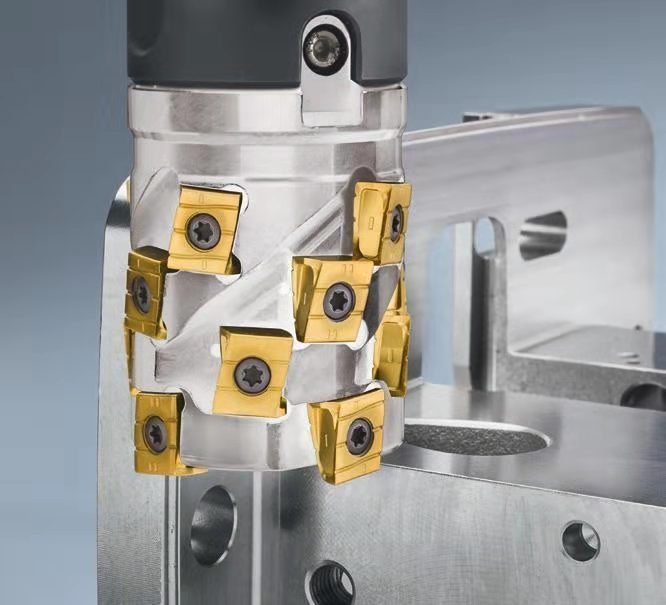
Omuz Frezeleme Kesici Uç Aileleri
Mevcut kesici sisteminize uygun seriyi seçin ya da tam kesici uç kodunu kontrol etmeden önce mevcut platformları karşılaştırın.
Omuz Frezeleme Gereksinimlerine Göre Seçim Yapın
Omuz frezeleme, aynı işlemde dikey bir duvar ve yatay bir taban oluşturur. Omuz hassasiyetine, kesme derinliğine ve istenen işleme yöntemine göre kesici uç sistemini seçin.
Gerçek 90° Omuz
90° giriş açısı, duvar hassasiyeti ve duvar ile taban arasında düzgün bir geçişin gerekli olduğu kare omuz frezeleme işlemleri için.
Derin Omuz ve Adımlı Frezeleme
Derin omuz frezeleme ve tekrarlanan kademeli kesme işlemleri için, kesici uçun kesme kenarı uzunluğunu ve kesici sistemin maksimum kesme derinliğini (APMX) kontrol edin.
Yuva ve Yan Frezeleme
Bazı omuz frezeleme sistemleri, yan ve oluk işlemlerini de gerçekleştirebilir. Öncelikle kesici genişliğini, cep düzenini ve kesici uç uyumluluğunu kontrol edin.
Yokuş Çıkma ve Cep Girişi
Rampalama, helisel kesme ve cep açma yetenekleri, kesicinin geometrisine ve kesici uç sistemine bağlıdır; bu nedenle kullanımdan önce kesicinin teknik özelliklerini kontrol edin.
Kesici sisteminize uygun olup olmadığını kontrol edin
Tam bir kesici uç kodu veya kesici modeli, cep uyumluluğunu, kullanılabilir kesme derinliğini, köşe geometrisini ve doğru kesici uç ailesini doğrulamanın en hızlı yoludur.
Kodu ekle
Mümkün olduğunda boyut, talaş kırıcı, köşe yarıçapı ve kalite bilgilerini de içeren eksiksiz kesici uç tanımını gönderin.
Kesici Gövdesi / Serisi
Uyumluluk kontrolü için omuz frezesi veya kare omuz frezesinin modelini, çapını, cep sistemini ya da mevcut bir kesici uç örneğini belirtiniz.
Maksimum Kesme Derinliği
Gerekli omuz derinliğini veya APMX değerini teyit edin; böylece kesici uç kenar uzunluğu ile kesici sistemi doğru şekilde eşleştirilebilir.
Köşe Yarıçapı
Özellikle duvar ile zemin arasındaki geometrinin önemli olduğu yerlerde, gerekli köşe yarıçapını ve zemin durumunu belirtin.
İş parçasının malzemesine göre taşlama yönünü seçin
İş parçası malzemesini kullanarak eğim yönünü daraltın, ardından seçilen kesici uç ailesi için kesin eğim ve geometriyi teyit edin. Kesintili omuz frezeleme veya dengesiz kurulumlar söz konusu olduğunda, teklif talebi incelemesi sırasında kesme koşullarını paylaşın.
Çelik
Kenar stabilitesi ve verimli metal kaldırmanın önemli olduğu kaba işleme uygulamaları da dahil olmak üzere, karbon çeliği, alaşımlı çelik ve genel çelik omuz frezeleme işlemleri için.
Paslanmaz Çelik
Isı, talaş akışı ve kenar dayanıklılığının daha uygun bir kalite ve geometri gerektirdiği paslanmaz ve daha sert malzemeler için.
Dökme Demir
Aşınma direnci, kenar tutarlılığı ve istikrarlı omuz oluşumunun öncelikli olduğu dökme demir uygulamaları için.
Alüminyum ve Demir Dışı Metaller
Alüminyum, bakır ve diğer demir dışı malzemeler için keskin kesme geometrisi ve uygun kaliteler kullanan seçilmiş kesici uç aileleri için.
Kalite sınıfı ve geometri seçenekleri, ek parça ailesine ve tam model adına göre değişiklik gösterir. Kesin seçeneği ürün sayfasında veya teklif talebi incelemesi sırasında teyit ediniz.
Omuz Freze Ucu Seçimi Konusunda Yardıma mı İhtiyacınız Var?
Uyumluluk ve kalite değerlendirmesi için ekleme kodunuzu, kesici modelinizi, istenen omuz derinliğini, köşe yarıçapını, iş parçası malzemesini, kesme koşullarını ve adedi gönderin.